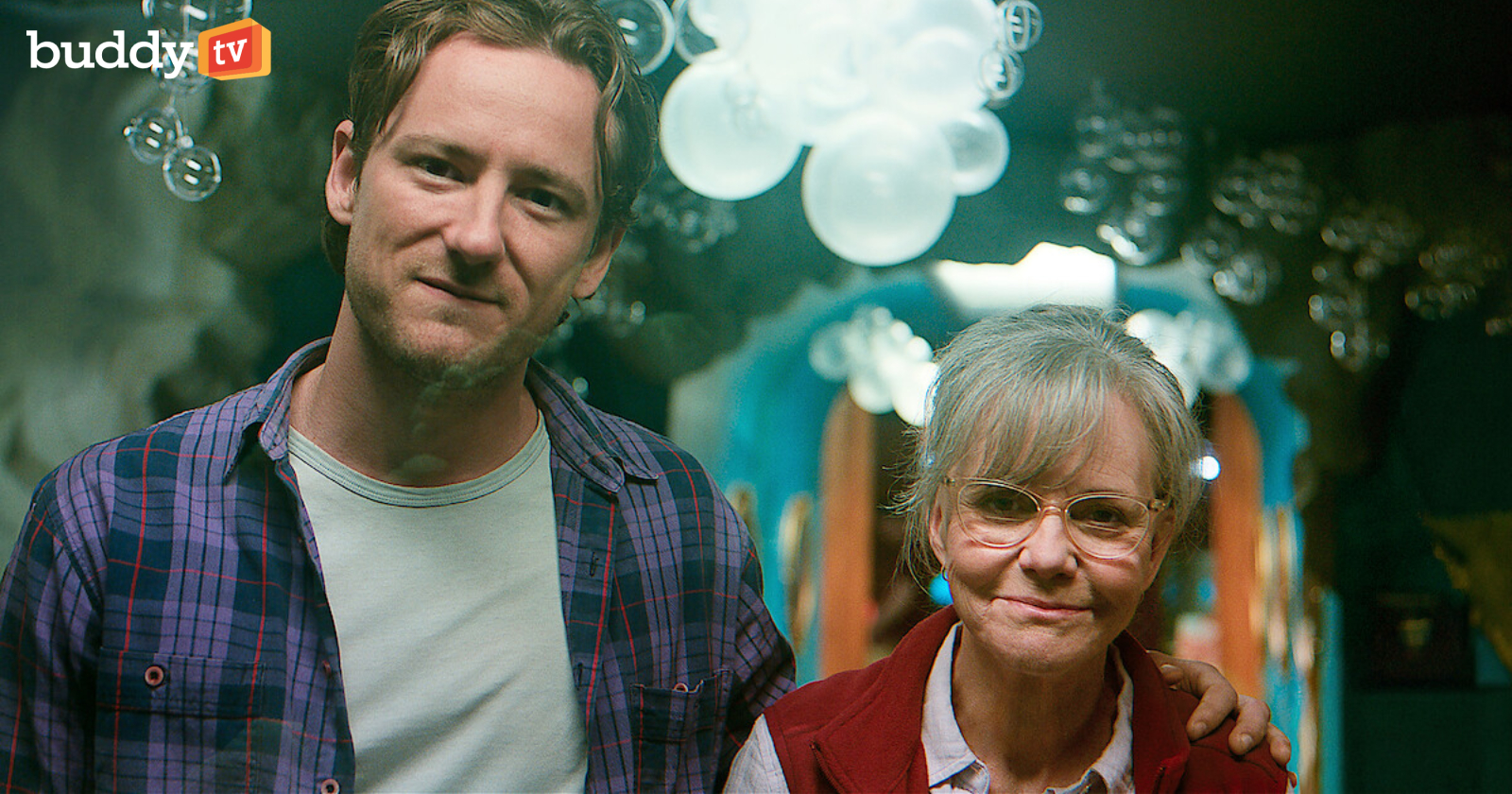
Netflix’s new Little House on the Prairie adaptation debuted on July 9, 2026. The eight-episode season is now streaming exclusively on Netflix with a 12+ rating. More importantly, the Netflix Little House on the Prairie series does not simply recreate Michael Landon’s NBC classic. It returns to the Laura Ingalls Wilder books while confronting the people and history those stories pushed to the margins.
Season 2 was renewed before Season 1 premiered, and production is already underway. The first season follows the Ingalls family from Wisconsin to Independence, Kansas. The next chapter will send them toward Walnut Grove, Minnesota, while keeping production in Manitoba, Canada. It marks the family’s full television return more than 40 years after the earlier series ended.
Netflix calls the result “part hopeful family drama, part epic survival tale, and part origin story of the American West.” However, it treats westward expansion as a contested process rather than an empty-land adventure. That choice gives Little House on the Prairie 2026 its clearest reason to exist.
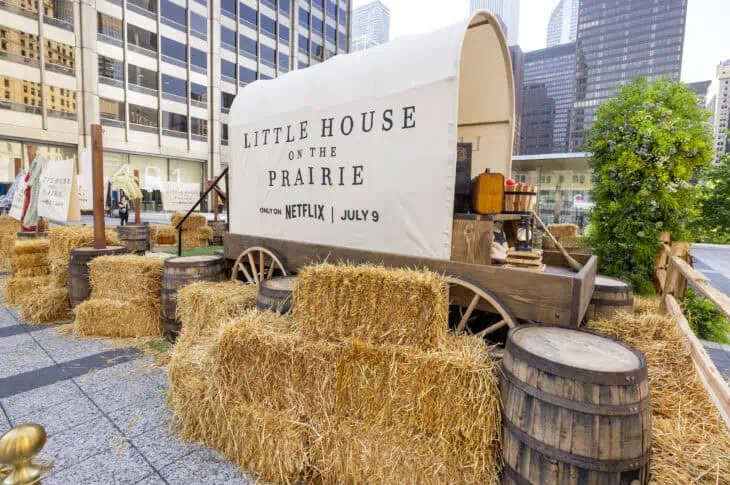
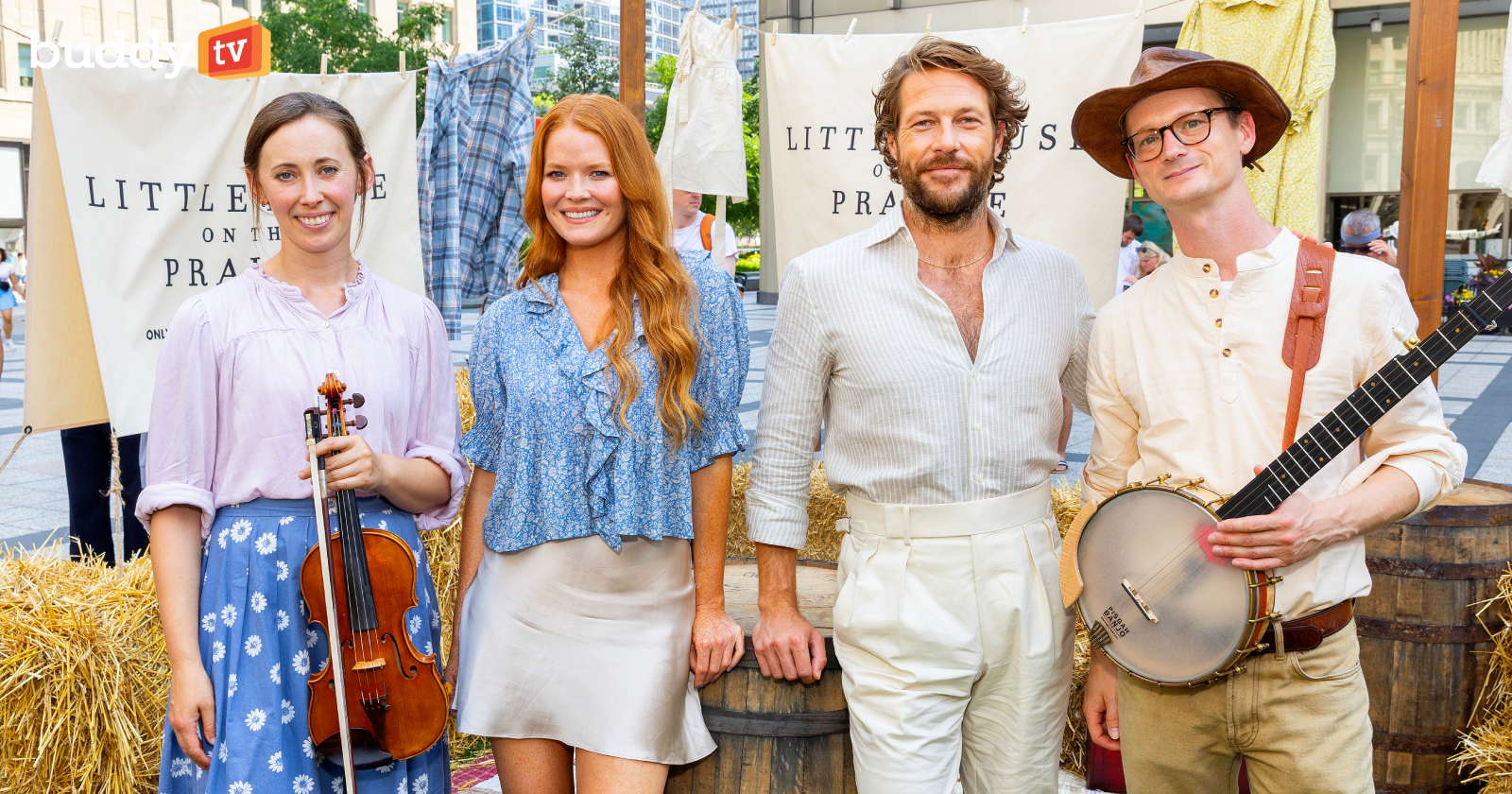
Chicago Activation for Little House on the Prairie Season 1
What the Netflix Little House on the Prairie Series Changes
The story begins in 1869, with Charles and Caroline Ingalls leaving Wisconsin with Mary, Laura and their dog, Jack. A dangerous river crossing nearly kills the family. Jack may also be lost in the water. Soon afterward, the first stranger who helps them is Dr. George Tann, a Black physician played by Jocko Sims.
That introduction matters. Wilder’s book gives Dr. Tann a brief appearance when the family suffers from “fever ’n’ ague.” Rebecca Sonnenshine’s series instead makes him central to Independence. He tends Caroline’s wounds, reassures Charles and becomes one of the Ingalls family’s first real friends.
The family reaches Kansas after seeing advertisements for “free land.” Yet the land is not free, and it is not unclaimed. The Homestead Act of 1862 promised 160 acres to a head of household who developed it for five years. In practice, many families lacked the tools and manpower. Much of the acreage went to speculators, railroad companies, miners and loggers.
The series turns that contradiction into its main conflict. Eli James, an invented railroad executive, distributes deceptive pamphlets and expects the United States government to seize Osage land after enough White settlers arrive. Therefore, Charles and Caroline eventually understand that they are illegal squatters. Their cabin uses trees from land that still belongs to the Osage.
Laura befriends Good Eagle, played by Wren Zhawenim Gotts. Good Eagle’s parents, William Mitchell and White Sun, are played by Meegwun Fairbrother and Alyssa Wapanatâhk. They help the Ingalls family survive, but they never pretend that kindness erases displacement. Two of Good Eagle’s cousins turn a familiar home-invasion scene from the book into a pointed argument about who has taken from whom. Charles must then face the possibility that keeping his home could help displace thousands of Osage people.
The new version also adjusts the Ingalls family timeline. Alice Halsey’s Laura and Skywalker Hughes’ Mary are older than the real sisters were during the Kansas period. Mary receives a first-crush storyline. Meanwhile, Carrie begins the season as Caroline’s pregnancy bump, which leads to a midseason labor-and-delivery episode. Grace belongs to a later point in the family’s story.
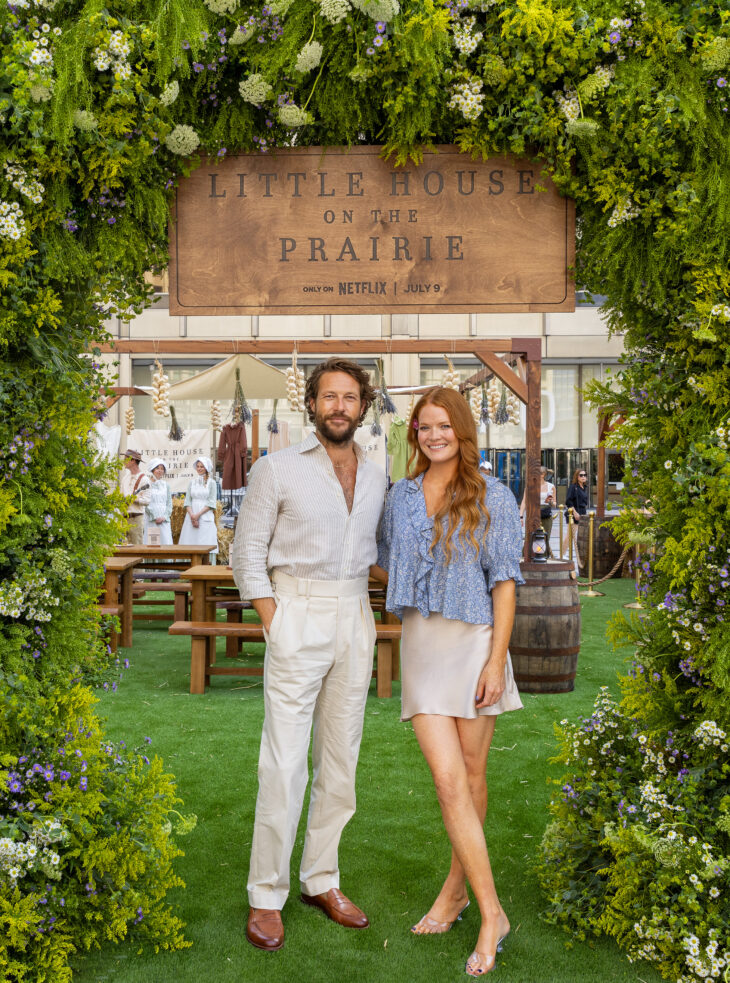
Luke Bracey, Crosby Fitzgerald
Little House on the Prairie Cast 2026: Full Breakdown
- Alice Halsey as Laura Ingalls: Laura remains adventurous, curious and optimistic. The Washington Post listed Halsey as 11, while Alison Arngrim described both young leads as 12 during her Netflix interview.
- Skywalker Hughes as Mary Ingalls: Mary is the responsible older sister. The Washington Post listed Hughes as 14, creating a direct age discrepancy with Arngrim’s description.
- Luke Bracey as Charles “Pa” Ingalls: Charles is handsome, restless and idealistic, but the season forces him to question the cost of his homesteading dream.
- Crosby Fitzgerald as Caroline “Ma” Ingalls: Caroline is pregnant during the journey and initially wary when Dr. Tann approaches after the river crossing.
- Jocko Sims as Dr. George Tann: The real-life physician becomes a continuing character rather than a brief visitor.
- Warren Christie as John Edwards: Mr. Edwards draws from a character widely believed to be a composite in Wilder’s books.
- Wren Zhawenim Gotts as Good Eagle: Laura’s Osage friend gives the story a perspective the earlier adaptations lacked.
- Meegwun Fairbrother as William Mitchell: Good Eagle’s father helps the Ingalls family while defending his community’s claim to the land.
- Alyssa Wapanatâhk as White Sun: Good Eagle’s mother shares the Mitchell family’s expanding storyline.
- Alison Arngrim as Ida: The original Nellie Oleson appears in Episode 2 as a rough forest drifter who may endanger Laura and Mary.
- Willa Dunn as Nellie Oleson: Dunn will inherit the famous role in Season 2.
The original television legacy remains visible. Melissa Gilbert played Laura, Michael Landon played Charles, Alison Arngrim played Nellie, Katherine MacGregor played Mrs. Oleson and Richard Bull played Mr. Oleson. Dean Butler later became Almanzo Wilder. Lou Gossett Jr. and Todd Bridges were among the old show’s few notable Black guest stars, while some Indigenous roles used actors in brownface.
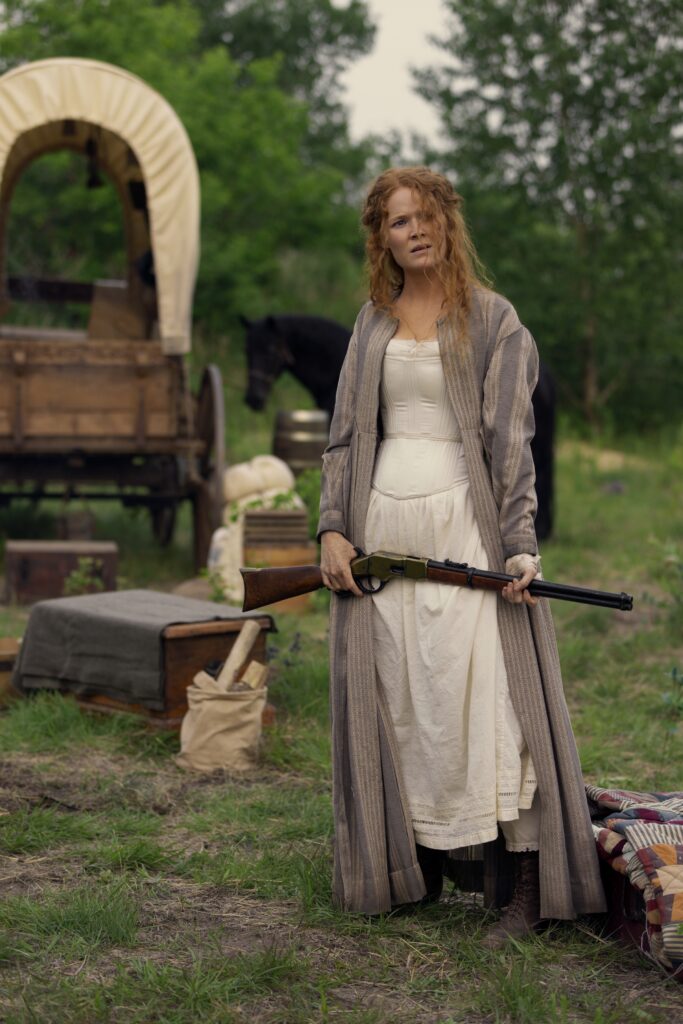
Crosby Fitzgerald as Caroline Ingalls in episode 101 of Little House on the Prairie / Credit: Eric Zachanowich
Laura Ingalls Wilder, Rose Wilder Lane and the American Myth
The historical Laura traveled repeatedly. The family stayed in Kansas for barely a year, then moved back to Wisconsin, Minnesota, Iowa, Minnesota again and the Dakotas. Laura eventually married Almanzo Wilder and settled in Missouri. By age 18, she had experienced at least a dozen moves, including a nine-month stay in Burr Oak, Iowa, that never entered the published series. Even Laura receiving her own tin cup can look less quaint when adults recognize the family’s persistent poverty.
Little House in the Big Woods arrived in 1932. Little House on the Prairie followed in 1935, along with seven additional autobiographical novels. The series has sold more than 60 million copies since the books first appeared in the 1930s and ’40s. Almanzo was in his mid-20s when he began courting the teenage Laura, another detail that reads differently now.
The books made grasshoppers, blizzards, scarlet fever, a faithful bulldog and Pa’s fiddle part of childhood memory. Hot molasses drawn into circles, curlicues and squiggles on fresh snow became candy. Every summer, tourists still arrive in Walnut Grove for a Laura look-alike pageant, proof that the material remains both history and ritual.
Wilder openly acknowledged embellishment, much of it shaped with her daughter, Rose Wilder Lane. Author Lizzie Skurnick argued for PBS that the racial framing came from adult collaborators writing for New Deal America, not simply from childhood memories of the 1800s. Lane became a prominent Libertarian, corresponded with Ayn Rand and wrote the political manifesto Discovery of Freedom. Yet the family’s self-reliance mythology coexisted with the Homestead Act, state-funded tuition after Mary went blind, federal disaster relief and farm aid.
Caroline Fraser examined those tensions in Prairie Fires, her Pulitzer Prize-winning biography. Forced removals became voluntary departures. Failed ventures became fresh starts. Deprivation became cheerful minimalism. That framing helped turn one precarious family into a durable national ideal.
The real family’s hardship was severe. In 1874, recession and locust plagues made Walnut Grove resemble the Dust Bowl, and charity food and clothing arrived from elsewhere. The Ingalls family nearly starved during The Long Winter. Yet the books appeared during the Great Depression, when readers with little were drawn to characters surviving with even less.
The political timing repeated. Landon’s series debuted in 1974 amid inflation, gasoline rationing and beef rationing. Netflix’s version arrives during the United States’ 250th birthday, much as the Gilbert-Landon version appeared shortly before the country’s 200th. The story still asks who gets to define America, who pays for “progress,” and who is allowed inside the national memory.
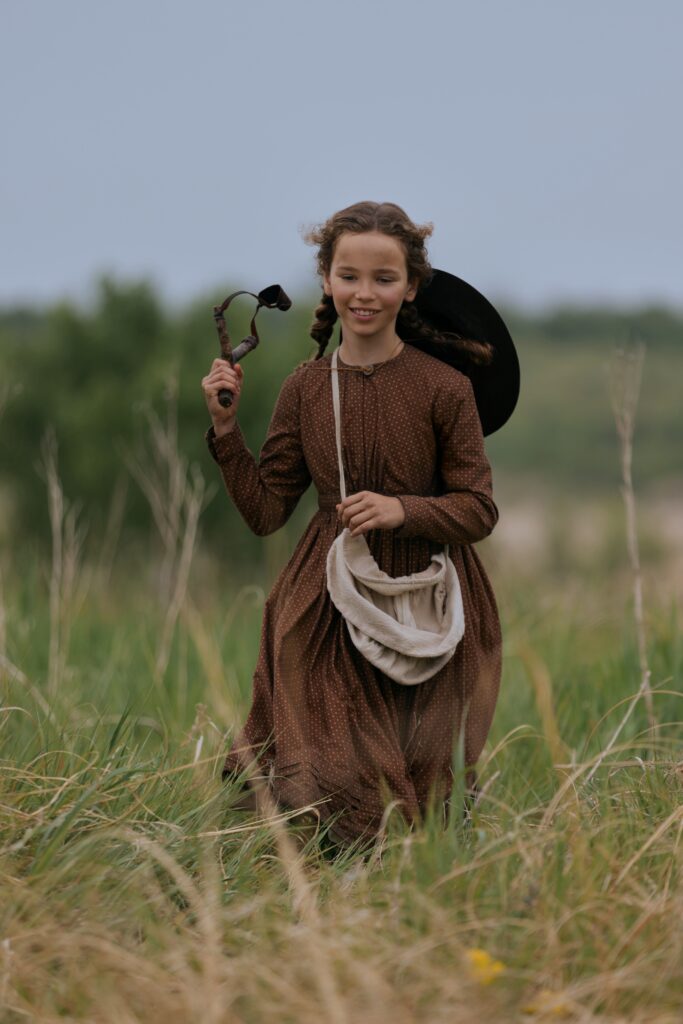
Alice Halsey as Laura Ingalls in episode 101 of Little House on the Prairie / Credit: Eric Zachanowich
The Backlash Is Part of the Little House Tradition
Netflix announced the revival in January 2025. Megyn Kelly warned on X that she would “absolutely ruin your project” if the adaptation became too progressive. Melissa Gilbert answered on Instagram, “TV doesn’t get too much more ‘woke’ than we did.” She reminded viewers that the NBC series addressed racism, addiction, nativism, antisemitism, misogyny, rape and spousal abuse.
The original ran for nine seasons beginning in 1974. It became a defining family series through the mid-’70s and early ’80s, and it now streams on Peacock. Gilbert’s Laura became an American Girl archetype before the doll brand existed. 7th Heaven tried to occupy similar territory in the 1990s, although its legacy became far more troubled.
That earlier Little House also existed beside competing visions of America. It premiered two seasons after The Waltons became a CBS hit. Its contemporaries included Good Times, Happy Days, Maude and The Mary Tyler Moore Show, while the country moved from Civil Rights-era gains toward Ronald Reagan’s right-wing nativism.
Today’s nostalgia appears through Ballerina Farm, Hannah Neeleman, TikTok homesteading, Gunne Sax-style dresses and cottagecore. However, the fantasy remains familiar: leave modern complexity, make everything by hand and discover moral clarity in hard work. The new show keeps the tactile pleasure while challenging the assumption that independence ever meant isolation.
Arngrim’s return makes that bridge literal. Showrunner Sonnenshine told Variety, “I always had this idea that I wanted Alison Arngrim to be in the show.” Arngrim received the call with roughly two weeks’ notice: “What are you doing in a week and a half? Could you come to Winnipeg?”
Ida’s costume required a slip, corset and full period layers. Makeup artists dirtied Arngrim’s nails and teeth to reflect an 1800s woman living outdoors without sunblock, hydration or comfort. That differed from the 1974 production, where camisoles and bloomers often stood in for more complete undergarments.
Arngrim recalled that recognition exploded around the original show’s third season. She became famous at 12, 13 and 14, then continued hearing about Nellie at 30, 40, 50 and 64. A Season 4 image still defines her curled-hair look, while fans still cite the notorious “bunny episode.” She compared Nellie’s theatrical villainy to Vincent Price, Captain Hook in Peter Pan, the “Mrs. Hook’s little baby boy” joke, and the flamboyant antagonists of Dallas and Dynasty.
Television had been “de-ruralized” in the 1970s, even as Hee Haw and The Beverly Hillbillies had ranked in the top 10. Westerns disappeared because city viewers supposedly bought more dishwashers and cars. Then Landon came from Bonanza with a prairie drama. MacGregor brought major theater experience, while Bull had credits such as The Twilight Zone.
Arngrim advised Willa Dunn to enjoy playing Nellie, befriend her on-screen enemies and prepare for viewers who confuse fiction with reality. Her deliberately extreme comparison was Hannibal Lecter. Even so, her larger point was communal: “When things go wrong, you turn toward each other.” Dean Butler calls that ethic “the prairie way,” even when Mrs. Oleson is trying to price-gouge Walnut Grove.
Arngrim believes the franchise has reached a seventh generation of fans. The cycle spans the 1930s books, the 1974 series and the 2026 adaptation. Its recurring appeal lies in small homes, crop failures, economic fear, family conflict and the need for neighbors.
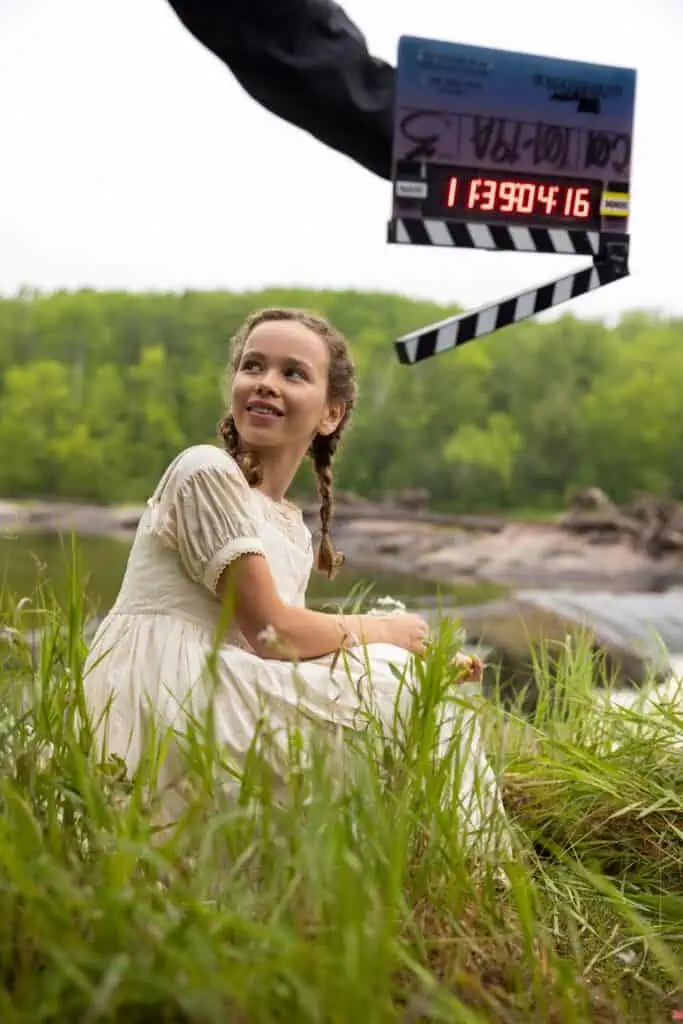
Alice Halsey as Laura Ingalls in episode 101 of Little House on the Prairie / Credit: Eric Zachanowich
Manitoba Became Kansas for the Netflix Series
Although the story is set around Independence, Kansas, the entire first season was filmed in Manitoba, Canada. Winnipeg served as the production center. Fitzgerald called it “Beautiful, friendly Manitoba”, while Sonnenshine chose the province for tall grass and an “untouched” prairie appearance.
Late winter delayed filming until June. Production then faced floods, tornadoes, lightning, extreme winds and ticks. Shooting continued from June to October, allowing some winter scenes to capture the actual seasonal change.
The Ingalls cabin and town were built around Cooks Creek. The outdoor log structure weighed 96,000 pounds and used no nails. Cooks Creek is considered the oldest Ukrainian settlement in Western Canada and dates to the 1890s.
Other historical scenes used Fort Gibraltar in Winnipeg’s St. Boniface neighborhood, an area with 19th-century roots. A second cabin stood on a soundstage, where fake snow could create Christmas. Lead production designer Jonah Markowitz used 175 art-department workers, double the normal amount, to get the house and settlement details right.
Trip Friendly, son of original executive producer Ed Friendly, joined Sonnenshine in adapting the books for a 21st-century global audience. Season 2 will still film in Manitoba despite the story’s move to Walnut Grove, Minnesota. Sonnenshine’s message to longtime fans is direct: “Everyone cares so much.”
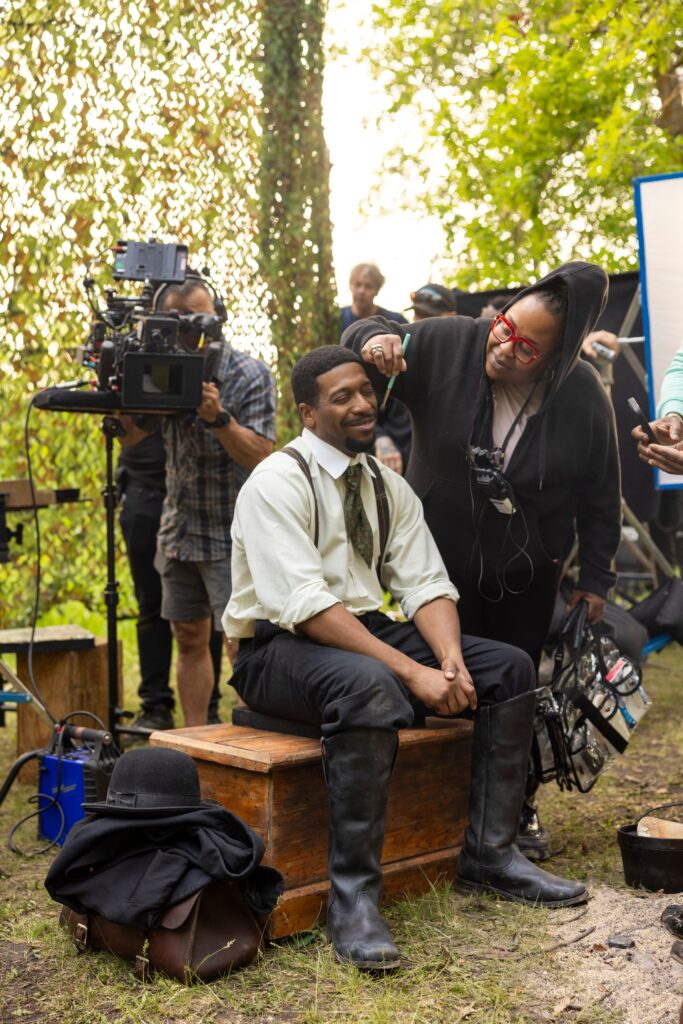
Jocko Sims as Dr. George Tann in episode 101 of Little House on the Prairie / Credit: Eric Zachanowich
Early Reviews, Ratings and What Comes Next
The early critical response is favorable but not unanimous. Paul Tassi’s July 11, 2026 snapshot placed the Rotten Tomatoes critic score at 77%, based on a few dozen reviews. The audience score stood at 61%, although only a tiny number of audience reviews had been submitted. Those figures can change as more ratings arrive.
The stronger debate concerns interpretation. Monica Hesse judged the show roughly three rungs above a Hallmark movie, while James Poniewozik focused on how fictionalized history ultimately speaks to the present. Some viewers want the books’ warmth without historical revision. Others argue that the warmth becomes more meaningful when the Osage, Dr. Tann and the machinery behind settlement receive full dramatic weight. Sonnenshine mostly avoids turning the season into a lecture because the corrections emerge through friendships, debts and competing claims to home.
The series also preserves the argument over Pa. One adult rereading reduced him to “kind of a mess.” The immediate reply reduced him to “kind of hot.” Bracey’s version makes room for both conclusions. A separate Osage storyline about young men losing purpose lands differently to 2026 ears, especially when viewers connect historical grievance to the current White House.
Real-life prosperity did eventually come for Laura and Almanzo. It took 20 years for their Missouri property to grow from a rustic cabin into a dairy and fruit farm, now preserved as a museum near Mansfield. Laura outlived her parents, husband and sisters. One modern family connection noted that a father was born only three years before Wilder died, just across the Iowa border.
Season 1 ends with the Ingalls leaving Kansas. Season 2 will continue toward Walnut Grove and introduce Willa Dunn’s Nellie Oleson. A specific Season 2 premiere date has not been confirmed in the supplied sources.
The Netflix Little House Prairie series succeeds because it understands that nostalgia is not the same as history. It keeps the fiddle, the grass, the hard work and the family devotion. However, it widens the covered wagon’s keyhole-shaped view and asks who was already standing on the land.

With a collective experience in film analysis and entertainment journalism, our team, comprised of avid movie buffs, has always been on the frontline of exploring cinematic universes, from the enchanting realms of Disney to the action-packed scenes of the MCU.
Our passion has led us to exclusive interviews with notable figures, early access, and active participation in the industry.
Recognized by the press, we dive deep into various genres, including drama, cartoons, comedy, and foreign films, always eager to bring fresh insights to our readers.
Connect with us or explore our journey to learn more about our adventures in unraveling the magic of the big screen.