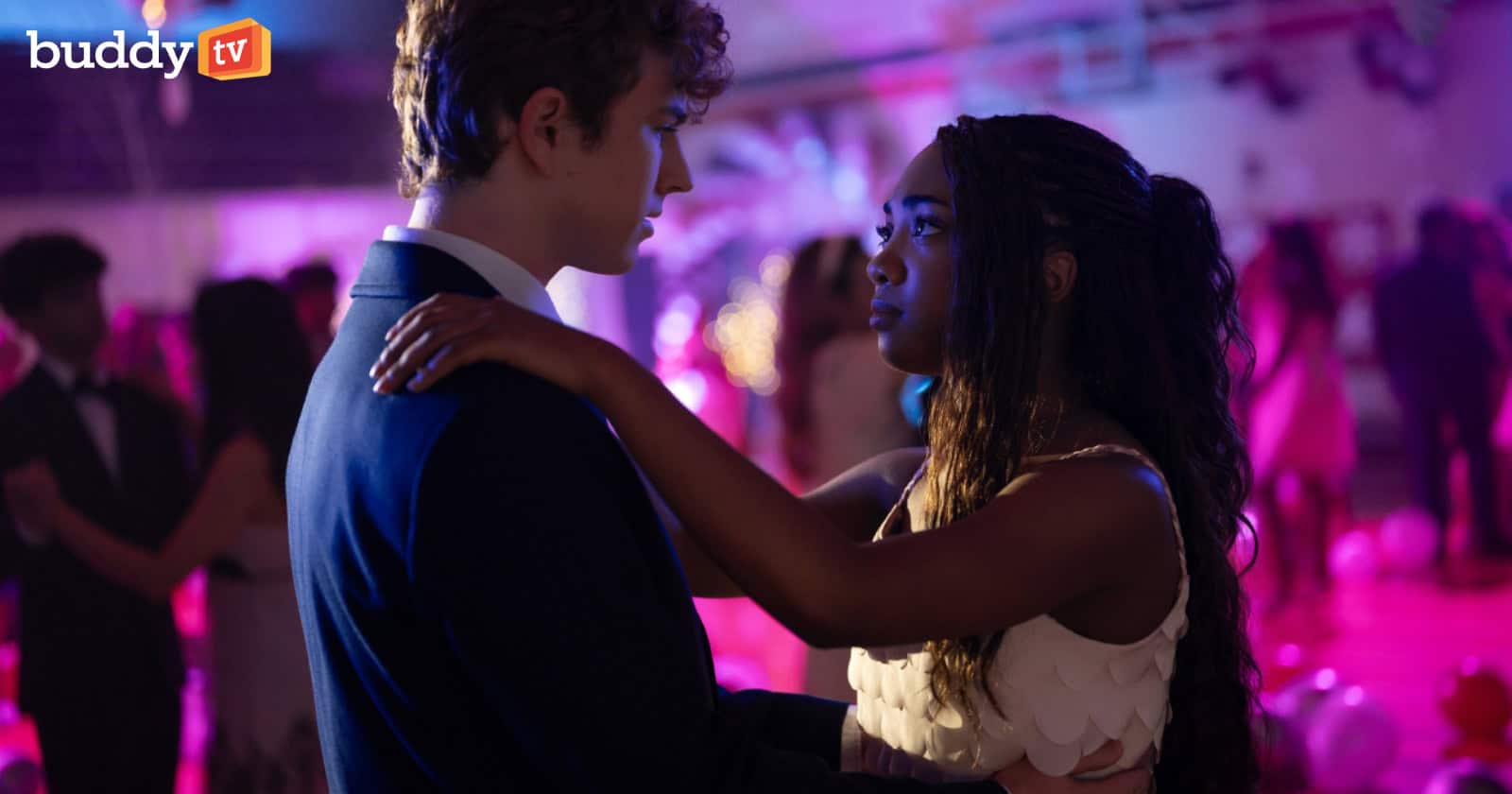
Percy Jackson and the Olympians season 2 finale explained is really shorthand for one huge question: what does that Thalia twist mean for Camp Half-Blood, for Zeus, and for Percy’s future? “The Fleece Works Its Magic Too Well,” season 2 episode 8 (also billed as Episode 208), doesn’t just wrap up The Sea of Monsters — it rewrites a cornerstone of the saga and turns the Great Prophecy into something far more personal.
The episode — now streaming on Disney+ as of January 21, 2026 — brings Percy, Annabeth, and Grover back to Camp Half-Blood for a bloody showdown with Luke’s army and the Laistrygonians, pays off the Golden Fleece quest, and ends on a lightning-laced resurrection at Thalia’s tree. It also adds a post-credit scene on Circe’s island and tees up season 3’s adaptation of The Titan’s Curse.
Thalia’s new backstory: why the “Percy Jackson” season 2 finale changes everything
For two seasons, everyone at Camp Half-Blood believed the same story: Thalia Grace died heroically, mortally wounded while defending her friends, and Zeus transformed her into a pine tree to save her life. In the show’s version of the finale, that comforting myth is ripped away.
After Percy is knocked unconscious by a wave of lightning at Thalia’s tree, he wakes to find Chiron waiting with the truth. In the show, Zeus destroys the Furies before they can kill Thalia and then turns his daughter into a tree as punishment because she refuses to become his weapon in the looming war against Kronos. Executive producer Craig Silverstein calls it a “huge change” and “a huge shock” that turns a piece of backstory into a live wire between father and daughter.
Silverstein explains that almost every time the gods show up in this universe, there are strings attached. As he puts it, “Almost every single encounter with the gods has had an edge to it,” and exposing Zeus’s cruelty fits that pattern. Instead of a benevolent rescue, Thalia’s transformation becomes a “binary flip” from mercy to punishment, which raises the stakes for the Great Prophecy and makes the power imbalance between demigods and Olympians feel brutally concrete.
The twist also reframes Thalia’s attitude toward Olympus. Rather than a martyr frozen at the gates, she’s now a girl who said no to Zeus and paid for it. Silverstein leans into the idea that this makes Thalia a mirror for Luke: both feel betrayed by the gods, both have reason to hate Olympus, and both stand at a crossroads. That’s why the final moments echo Rick Riordan’s original Sea of Monsters ending, with Percy effectively thinking he’s looking at someone who could be his best friend or his greatest enemy and not knowing which it will be.
Walker Scobell, who was 16 when he filmed the finale even though Percy is supposed to be 13, embraces the shift instead of treating it as sacrilege. Talking about reading the script and learning that Thalia was punished, not saved, he says simply, “It just makes sense.” The change, in his view, ramps up the drama heading into The Titan’s Curse without breaking the spirit of the books.
Inside the battle for Camp Half-Blood in “The Fleece Works Its Magic Too Well”
Before Thalia’s backstory detonates, the finale delivers a two-part climax: fallout from the Princess Andromeda confrontation and a ground war at Camp Half-Blood. Clarisse returns from her quest with the Golden Fleece, but when Sally Jackson drives up to the camp, Blackjack confirms that Kronos’ followers and monsters are already laying siege to the borders. Clarisse has to carry the Fleece the rest of the way on foot while Percy, Annabeth, and Grover rush to help after a brief, emotional goodbye between Percy and Sally.
The siege quickly turns into one of the series’ biggest battle sequences so far. First, the show clears the board by finally dealing with Tantalus. Timothy Simons’ delightfully obnoxious counselor believes the gods have lifted his curse at the exact moment he’s struck by a fireball, a darkly funny send-off that gives the character a more memorable exit than in the books.
With Tantalus out of the way, Luke’s plan comes into focus. He doesn’t just want to poison Thalia’s tree; he wants to resurrect Thalia with the Golden Fleece and steer the Great Prophecy away from Percy. Clarisse runs toward the tree, but the fellow campers escorting her turn out to be traitors working with Luke, a betrayal that lands as a sharp plot twist even if the specific demigods involved are strangers.
Meanwhile, Percy steps fully into his leadership era. Back at the Big House, he rallies the demigods with a rousing speech. Scobell admits the speech was tough to calibrate because of his age, saying he didn’t want it to feel like a clichéd “I’m leading you all into battle” moment and preferred a more grounded, “Guys, there’s a problem, let’s all fight it together.” The show’s staging pays that off with an image of Percy standing before a host of armed campers that feels like a preview of the hero he’ll become in later books.
Luke opens the camp’s borders to the Laistrygonians, turning the hill around Thalia’s tree into a war zone. Annabeth and Grover rescue Clarisse from the traitors in a chariot chase, while Percy and Luke clash again in a duel that nearly costs Percy his life. Scobell reveals that he actually pitched making Luke’s assault more brutal, and the fight ends up emphasizing how much more skilled Charlie Bushnell’s Luke is in open combat.
When it counts most, Percy chooses to trust Clarisse. He spears the Golden Fleece and hurls it so she can wrap it around a spear and throw it at the tree herself, honoring her as the hero of the official quest. She hits her mark. The Fleece works its magic “too well,” and Thalia erupts from the tree, screaming “Never!” as lightning blasts across the field and knocks Percy out. The spectacle ends Luke’s onslaught for now, but it leaves Camp Half-Blood — and Percy’s nightmares — in a far more precarious place.
Percy, Poseidon, and the Great Prophecy
While Percy is unconscious, the finale makes time for one more father–son check-in under the sea. Poseidon confirms what everyone has been dreading: war is coming. He gives Tyson a new task, instructing his Cyclops son to forge weapons, and offers Percy a few hopeful words about fate and love.
It isn’t the most explosive scene of the hour, but it quietly reinforces several threads. Tyson’s assignment underlines his continued importance to the war effort; Poseidon’s presence ensures that the gods are not as distant as they sometimes seem; and the conversation ties back to Percy’s fears about the Great Prophecy and his fatal flaw. Silverstein has emphasized that the finale needed to make those “messy stakes” truly operable — not just talked about, but felt.
Back on the surface, the episode ends with Percy finally voicing what’s been haunting him all season. Addressing his fellow campers, he nods to the way demigods live with fear in their sleep: “You guys get nightmares, right? Well, not like mine,” he says, before adding, “Because mine just woke up.” Thalia’s resurrection, and the revelation about Zeus, have turned his private anxiety into a standing threat inside the camp’s own borders.
Post-credit tease: Circe, Hylla, and a world that keeps on turning
“The Fleece Works Its Magic Too Well” adds one more surprise after the credits: a return to Circe’s island. The sorceress, played by Rosemarie DeWitt, runs a combat-training makeover retreat that once turned Percy into a guinea pig. Now, she’s walking past gleaming statues of Percy (Walker Scobell) and Annabeth (Leah Sava Jeffries) while promising a new recruit that “there are a limited number of spots in the course, but the results are undeniable.”
That recruit is Hylla, portrayed by Jasmine Vega, a character readers know from the Heroes of Olympus books. The tag was originally conceived as a stinger for episode 5 but was repositioned to the finale. Silverstein has described it as a little piece that “was sort of floating out there as a tag” and a type of button the show hadn’t used before.
Scobell loves what the post-credit scene says about the wider universe, explaining that “it’s a perfect way to show that the world just goes on.” The quest to save Camp Half-Blood might be over, but there will always be another demigod stepping into danger, another challenge for “another person now.” It’s a clever way to underline that Percy’s story is part of a much larger tapestry rather than the only game in town.
Cast and creatives driving the finale — and season 3
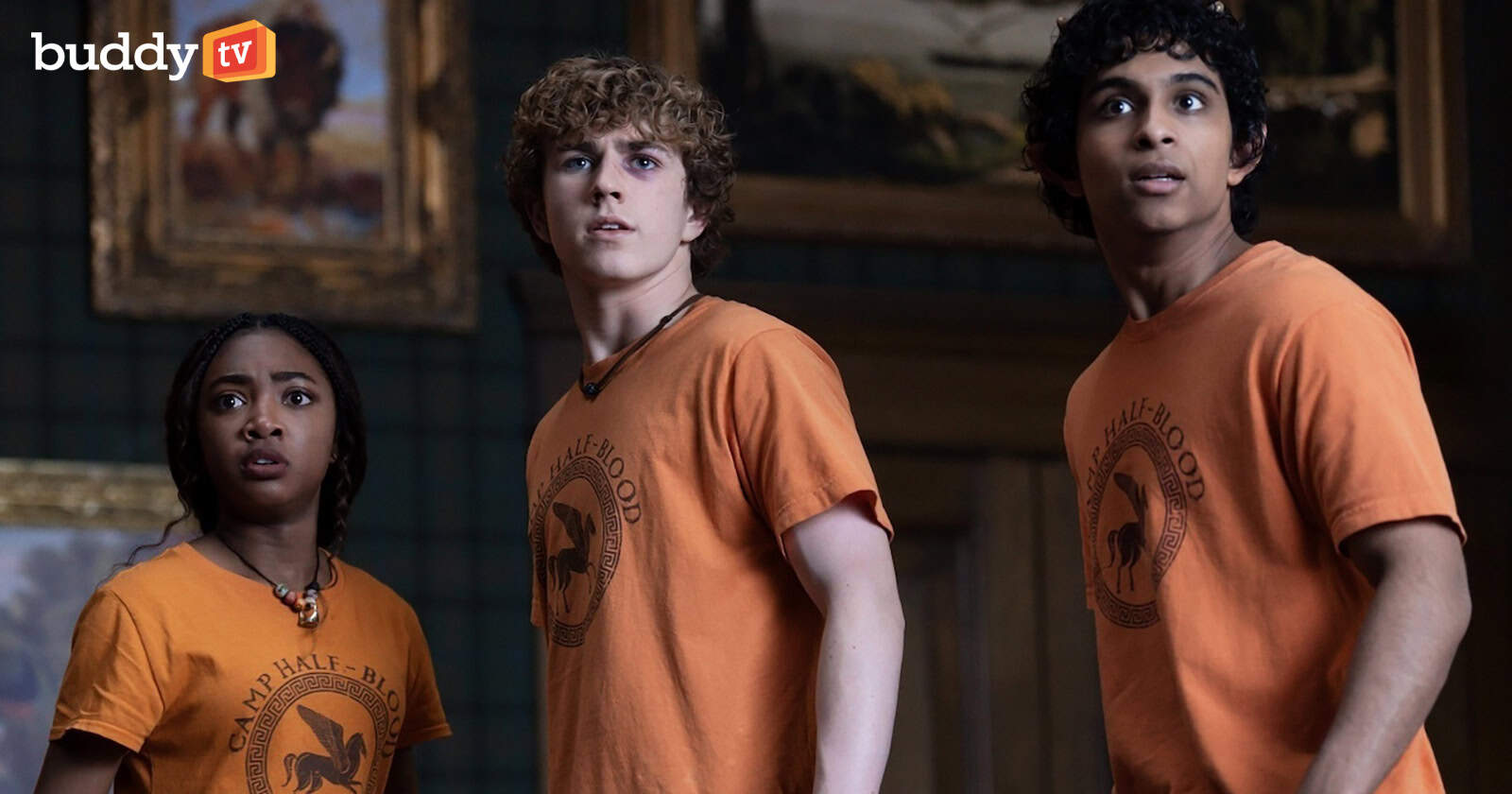
The finale only works because a deep bench of performers and creatives are all rowing in the same direction. Onscreen, Walker Scobell anchors the hour as Percy Jackson, stepping into a more commanding presence without losing the 13-year-old’s vulnerability. Leah Sava Jeffries once again proves why Annabeth Chase is the “wise girl” of the trio, and Aryan Simhadri’s Grover brings quiet loyalty to both the chariot rescue and the aftermath at Thalia’s tree.
Tamara Smart’s Thalia Grace is mostly a spectral presence until that explosive resurrection, but her history suffuses every choice the characters make. Courtney B. Vance looms large as Zeus, even when he’s only discussed, because the finale redefines the king of the gods as someone willing to punish his own child for disobedience. The change inevitably recalls the late Lance Reddick’s work as Zeus in earlier episodes, and Scobell has spoken about how Courtney B. Vance took time on his first day on set to honor Reddick as a friend and colleague.
Around the margins of the battle, Timothy Simons’ Tantalus gets a spectacularly ironic exit, David Bukach’s photography captures the chaos of the Camp Half-Blood battlefield in “Episode 208,” and Virginia Kull gives Sally Jackson another quietly devastating moment as she realizes how much Percy has grown. The Laistrygonians, Clarisse, Blackjack and the other demigods flesh out a canvas that finally makes the camp feel like a place worth fighting for.
Behind the camera, executive producer Craig Silverstein guides the narrative shape of the finale’s biggest deviations from Rick Riordan’s novel. Journalists Andi Ortiz, Andy Swift, Sydney Bucksbaum and Amanda Mullen each zero in on different facets of that shift, from the emotional cost for Thalia to the way the new ending raises the stakes for season 3. Author and executive producer Rick Riordan remains the bedrock that all these choices bounce off, ensuring that even bold swings still orbit the core of his world.
The finale also looks ahead by name-checking future players. In season 3’s adaptation of The Titan’s Curse, Kate McKinnon will play Aphrodite, Dafne Keen will appear as Artemis, Saara Chaudry will take on Zoë Nightshade, Holt McCallany will embody Atlas, David Costabile will bring Dr. Thorn to life, Levi Chrisopulos and Olive Abercrombie will introduce Nico and Bianca di Angelo, and Jesse L. Martin will appear as Frederick Chase. The casting slate hints at how sprawling the canvas is about to become.
How the Percy Jackson season 2 finale sets up The Titan’s Curse
Even before “The Fleece Works Its Magic Too Well” dropped, the show had been renewed for a third season, with The Titan’s Curse on deck and a 2026 arrival window on Disney+. Silverstein and the writers design the finale to flow directly into that next story rather than treat it as a tidy epilogue.
On a plot level, the war warnings from Poseidon, Tyson’s new weapons-forging assignment, and Thalia’s return all point squarely at Kronos’ army gaining momentum. Luke’s barely checked assault on Camp Half-Blood shows how fragile the borders really are, while the Laistrygonians and traitor demigods hint that the enemy has both monsters and mortals ready to cross lines.
On a character level, the “Percy Jackson” season 2 finale changes Thalia’s backstory so that her grievances with Zeus and Olympus are active, not historical. If she has as much reason to hate the gods as Luke does, then choosing to resist his mission — or not — becomes one of the most important decisions in the entire saga. Silverstein has suggested that this is an “operatic” way to make the Great Prophecy feel real and to give Percy a rival who understands his nightmares better than anyone.
For Percy himself, Scobell has teased that season 3 will hew even closer to the book than season 2 did. Because The Titan’s Curse is already structured like an adaptation-ready thriller, the writers don’t feel the same pressure to overhaul its finale. Instead, the big swings are front-loaded here in season 2, where the show could “really up the stakes” with changes like Thalia’s punishment and the Camp Half-Blood battle.
Offscreen, the distribution plans are expanding as well. The series is positioned as one of the pillars of the Disney+ and Hulu bundles, with ad-supported plans beginning at $10.99 per month and an ad-free option priced at $18.99. That means more potential campers can catch up on both seasons before the war escalates.
Percy Jackson and the Olympians season 2 finale explained: what it all adds up to
When you step back from the fireballs and lightning, Percy Jackson and the Olympians season 2 finale explained in one sentence is this: the gods are more dangerous than any monster, and the kids may have to save the world from their parents as much as from Kronos.
The hour largely earns its “fun but flawed finale” reputation. The battle at Camp Half-Blood is a suspenseful spectacle, even if not every injury or casualty lands with the emotional weight it deserves. Moments like Clarisse’s betrayal by unnamed campers and Luke’s hesitation about demigods killing other demigods could use more space, but the show compensates with strong character beats, from Percy’s speech to Tantalus’ darkly comic farewell.
What lingers, though, is the way the “Percy Jackson” season 2 finale changes Thalia’s backstory. By revealing that Zeus turned her into a tree out of anger rather than mercy, the series turns a memorial into a monument to divine abuse — and puts a living, breathing girl in the center of a prophecy that was already too big for any one teenager to carry. As Percy’s nightmare “just woke up,” the stage is set for season 3 to ask an even tougher question: when the gods themselves are the problem, what does winning the war actually look like?

With a collective experience in film analysis and entertainment journalism, our team, comprised of avid movie buffs, has always been on the frontline of exploring cinematic universes, from the enchanting realms of Disney to the action-packed scenes of the MCU.
Our passion has led us to exclusive interviews with notable figures, early access, and active participation in the industry.
Recognized by the press, we dive deep into various genres, including drama, cartoons, comedy, and foreign films, always eager to bring fresh insights to our readers.
Connect with us or explore our journey to learn more about our adventures in unraveling the magic of the big screen.