For the first time in nearly a decade, a Game of Thrones spin-off is arriving to mostly warm applause instead of hand-wringing. This Knight of the Seven Kingdoms review pulls together early reactions to HBO’s new prequel, A Knight of the Seven Kingdoms: The Hedge Knight, and asks what this shorter, funnier trip to Westeros really offers. With an 83% Fresh rating, four- and five-star raves, and a few genuinely disgruntled voices, the consensus is anything but simple.
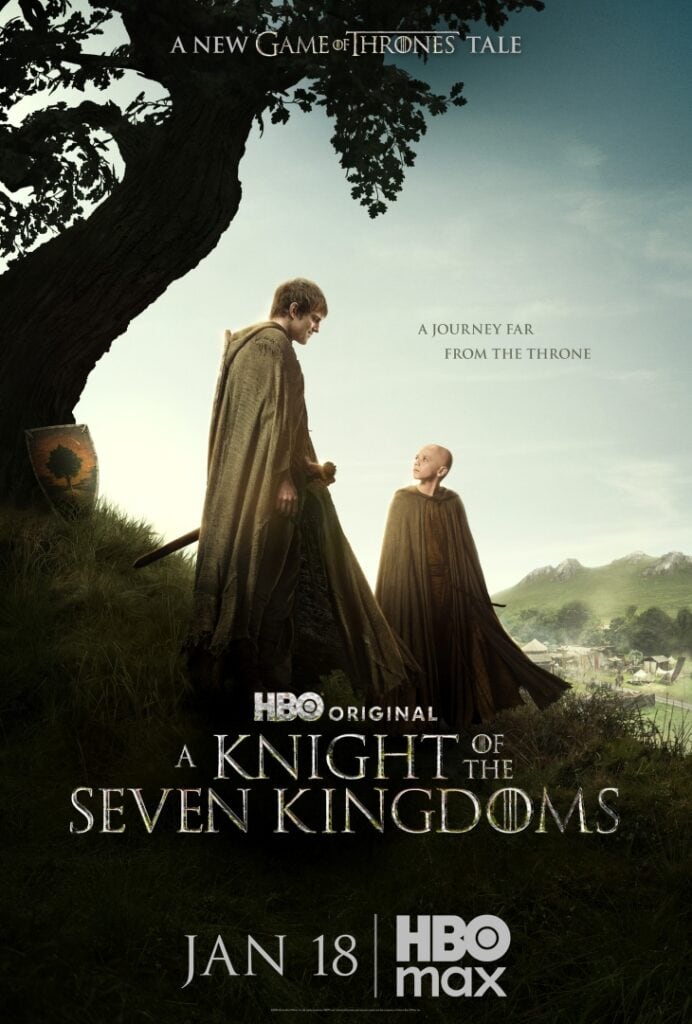
A Knight of the Seven Kingdoms Season 1 debuts on HBO on Sunday, January 18, 2026, with streaming on HBO Max the same night and Sky Atlantic/NOW picking it up across the pond the following day. Season 1 runs for six episodes and, as one critic notes, totals “less than three and a half hours,” creating what another calls the “TV equivalent of a novella” rather than an epic, multi-season saga.
A knight of the seven kingdoms review: premise, timeline, and source material
Set roughly a century before the events of Game of Thrones, A Knight of the Seven Kingdoms shifts the focus from dragon queens and White Walkers to hedge knights and tavern stables. “A Knight of the Seven Kingdoms” is based on George RR Martin’s novellas, specifically his Tales of Dunk and Egg cycle, which follow Ser Duncan the Tall and his mysterious young squire Egg as they wander the Seven Kingdoms.
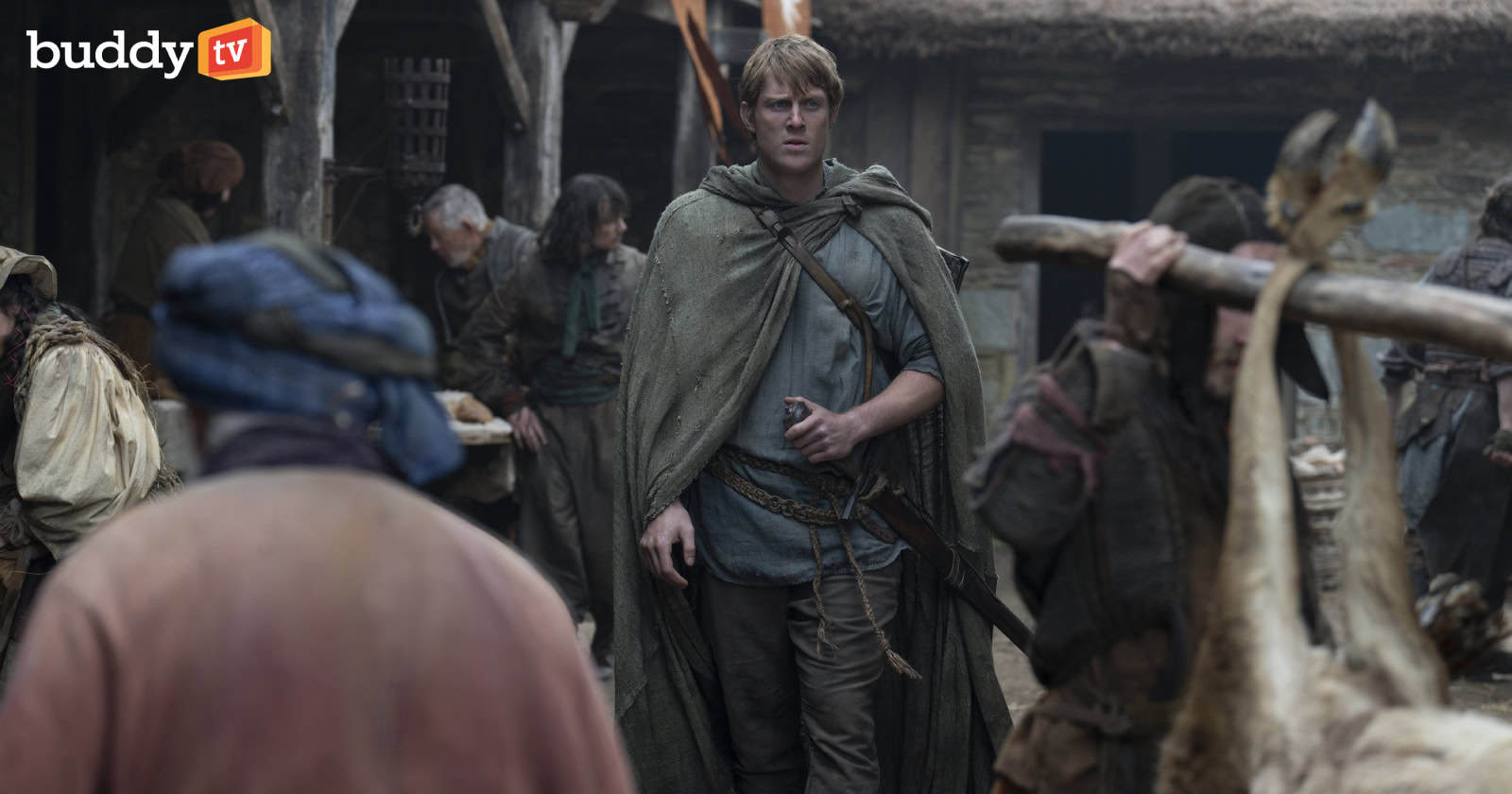
The show sticks close to that setup. Peter Claffey plays the “titular chevalier,” Ser Duncan the Tall, while Dexter Sol Ansell plays his young Targaryen squire Aeron “Egg” Targaryen. Their unlikely friendship drags them into tournaments, feuds between nobles, and the early rumblings of conflicts that will one day reshape Westeros. Several reviewers stress that the series “maintains its focus on the often overlooked smallfolk, behaviorally unconventional lords, humble livelihoods, and occasionally repulsive aspects of the lives of those born outside nobility,” framing Dunk and Egg’s story as a boots-on-the-ground counterpoint to the previous spin-off House of the Dragon.
Because the show adapts one of Martin’s shorter Dunk and Egg novellas, its scale is deliberately narrow. One critic calls it a “low-stakes Game of Thrones spin-off,” while another argues that Season 1 “fails as a true creative adaptation” because it changes little from the text and rarely pushes beyond the original story. Yet others argue the opposite, insisting the series is the “most faithful adaptation of Martin’s work to date,” proof that, as one reviewer puts it, “fantasy television can still surprise you” when it dials back spectacle.
Cast and characters: Dunk, Egg, and the rest of Westeros
Whatever people think about the plotting, there is near-universal praise for the casting. Claffey and Ansell’s chemistry anchors almost every early review. One critic says the story “wouldn’t work if Dunk and Egg weren’t perfect,” and goes on to describe how the actors bring the duo to life with an easy camaraderie that makes them “easy to love and cheer for.” Another calls their partnership “exquisite chemistry,” which becomes the emotional core of the show’s first season.
They’re surrounded by a supporting ensemble that leans into Westerosi politics without overwhelming the intimate scale. Sam Spruell appears as a volatile Targaryen prince; Daniel Ings brings a sardonic edge to another highborn schemer. Finn Bennett, Danny Webb, Shaun Thomas, Tanzyn Crawford, and Bertie Carvel round out the recurring cast, populating inns, tournaments, and courts with a mix of petty tyrants, sympathetic underdogs, and fools who do not realize how close they are to history.
Behind the camera, co-creator and showrunner Ira Parker leads the adaptation, working alongside George RR Martin himself. Directors Owen Harris and Sarah Adina Smith, both experienced at balancing grounded performances with stylized visuals, handle key episodes. Several reviews emphasize Parker’s devotion to the text; one notes that he “wears his love of the original novella on his chest,” while another praises how Parker and co-writers Aziza Barnes, Hiram Martinez, Annie Julia Wyman, and Ti Mikkel add original scenes and characters that still capture “the spirit and tone of the book above all else.”
This reverence for the source material matters because Martin has already mapped out a much longer journey for his hedge knight and squire. Between his Tales of Dunk and Egg and additional outlines, Martin has “shared outlines for up to 12 novellas” that could fuel future seasons. Several reviewers also point out that HBO has already ordered a second season, with production shifting to Belfast, signalling that the network sees Dunk and Egg as a long-term pillar for its Westeros portfolio.
Humor, tone, and those infamous poop jokes
If Game of Thrones and House of the Dragon sometimes felt like a grim march toward doom, A Knight of the Seven Kingdoms is being framed as a tonal course correction. One critic describes the first half of Season 1 as “a broad comedy that pokes iconoclastic fun at the franchise,” another notes that “there is at least one piss, s–t, or fart joke per episode,” and several mention a steady stream of bawdy gags about bodily functions.
Not everyone dislikes that approach. A number of early reviews insist the humor “works incredibly well” and emphasize that the comedy “isn’t overbearing,” arguing that it creates a grounded, droll vibe that shines between the show’s dusty tournaments and tavern brawls. One reviewer points out that you only hear the classic Game of Thrones theme twice in six episodes, and that the first use is itself a joke — a winking reminder that this is not trying to be the same show.
Others feel the series leans too hard on that irreverence. One critic grumbles that the prequel is “filled with far more attempts at potty humor and Family Guy-esque cutaways,” and worries that many jokes fail to land. Another laments that the series sometimes resembles “sophomoric comedy,” even if later episodes build toward “gripping drama” and more recognizably Westerosi stakes. Even sympathetic reviews acknowledge that the tonal shifts from slapstick to earnest emotion can be jolting.
Adaptation, pacing, and the “TV equivalent of a novella”
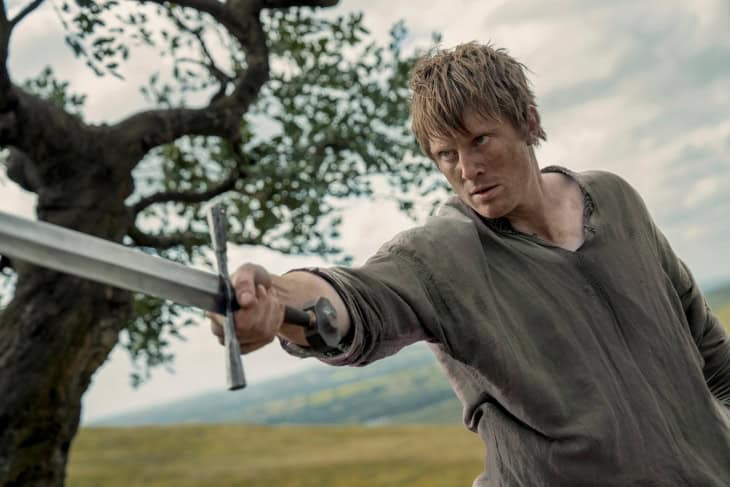
Beyond tone, much of the debate in early coverage focuses on adaptation choices and pacing. On the positive side, several critics hail A Knight of the Seven Kingdoms as a model of disciplined storytelling. One calls it a “tighter narrative,” another praises its “dedication to its source material,” and more than one reviewer highlights how refreshing it is to watch a Westeros story that does not sprawl across continents.
That brevity comes with trade-offs. With six half-hour-ish episodes and a total runtime “less than three and a half hours,” some feel like the show is over just as it gets going. One reviewer notes that “the narrative feels a little thinly spread out,” suggesting that the novella has been stretched to fill a season that still feels short. Another argues that the series “drag[s] the novella past its limits,” and worries about where the show can go if it moves beyond the three existing Dunk and Egg stories.
There is also a philosophical divide over what a “faithful” adaptation should be. On one side, some critics see this as the “most faithful adaptation of Martin’s work to date,” celebrating how whole conversations, speeches, and even inner monologues are translated to screen. On the other, detractors argue that Season 1 “fails as a true creative adaptation,” doing “so little to make itself stand out from the novella” that it feels more like a moving illustration than a reinvented TV story.
Even the structure of individual episodes becomes a talking point. One critic singles out a pair of early installments in which “there’s so little happening that audiences are treated to Dunk both urinating and defecating on screen,” while others highlight how small-scale moments — a goodbye to a horse, a burial in the rain, a quiet kindness between unexpected friends — carry the emotional weight. Whether that balance feels thin or rich depends on how much viewers value atmosphere and character work over plot twists.
Critical reception: charming, cheeky, and not for everyone
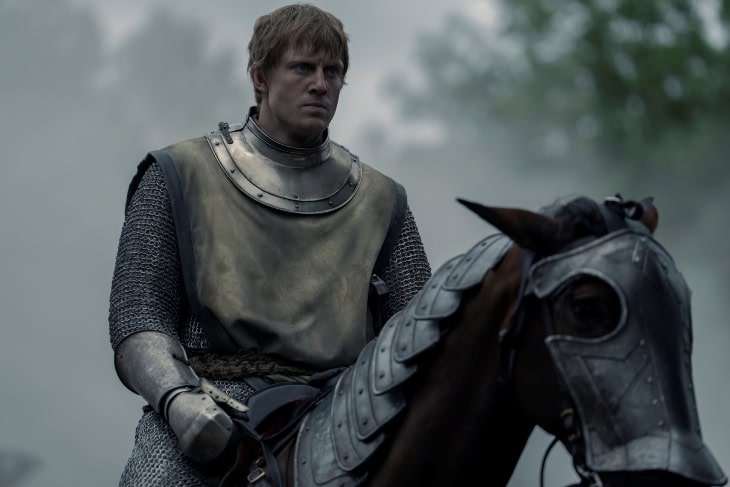
On the numbers, A Knight of the Seven Kingdoms is off to a strong start. It premiered with an 83% Fresh rating on Rotten Tomatoes, with Game of Thrones Season 1 and House of the Dragon’s opener both sitting at 90%. One early round-up notes that critics think the new spin-off “has the potential to be the best of the franchise,” while another emphasizes that this “low-stakes Game of Thrones spin-off is a welcome tonal shift” from previous, bloodier tales.
Individual outlets are similarly enthusiastic, if not unanimous. GamesRadar+ awarded the season four stars, praising its “narrower scope” and the way it moves between “dramatic” and “heartfelt” beats without losing sight of its characters. A critic for a British TV guide goes further, calling it the “best visit to Westeros in nearly a decade,” a pointed compliment given that the last three seasons of Game of Thrones and two seasons of House of the Dragon all aired in that span.
Others file more measured or mixed notices. Some reviewers appreciate that this is “true to its source material” and, as one puts it, the “TV equivalent of a novella,” while still wondering whether casual viewers will accept such small stakes after years of palace intrigue. Several critics flag the reliance on bathroom humor as a turn-off, and one argues that the show’s second-season renewal suggests “future iterations will be equally aimless and uninspired” if it continues to stretch short stories into multi-year arcs.
And then there are the outright detractors. One critic from a major UK paper gives the show just two out of five stars and complains that it “feels utterly separate, operating in some sort of bizarre tonal otherworld” until the final minutes. Another, writing for a US national outlet, brands the series “torturous and drab, a pointless exercise in franchise-extension,” insisting that it neither scratches the original’s itches nor creates anything genuinely new.
At the more positive end of the spectrum, a Gulf-based critic hands the show a full 5/5 rating and frames it as a corrective to bloated fantasy adaptations that lose their way. That reviewer situates Martin alongside Stephen King, Robert Jordan, and Raymond E Feist, arguing that Dunk and Egg’s story is closer in spirit to something like A Clash of Kings repurposed as a “hero’s tale” than to a grimdark war epic. The final episodes, this line of thinking goes, strip Westeros “back to what matters,” prioritizing moral choices, loyalty, and sacrifice over battles for thrones.
Is A Knight of the Seven Kingdoms worth your time?
Taken together, these reviews paint A Knight of the Seven Kingdoms as a deliberate gamble by HBO: a funny, frequently filthy, sometimes gentle fable about two wanderers that happens to be set in Westeros. Fans who want dragons, continent-spanning wars, and prophecies about princes that were promised may find this too small or too silly. Viewers who bounced off the bleakness of later Game of Thrones seasons, or who never warmed to House of the Dragon’s palace machinations, may feel, like one critic, that this is the series’ “best visit to Westeros in nearly a decade.”
What is clear is that the show’s success or failure hinges on how much you value character chemistry and tone over shock twists. Claffey and Ansell’s Dunk and Egg are already being described as “easy to love and cheer for,” and several reviewers think their partnership alone makes the journey worthwhile. Others warn that the barrage of poop jokes and the novella-scale story will leave some audiences cold.
For BuddyTV readers wondering whether to add this to a crowded watchlist, the answer is simple but not universal. If you are curious about a Game of Thrones spin-off that dares to be smaller, funnier, and, in many ways, kinder, A Knight of the Seven Kingdoms is almost certainly worth at least a trial run when it premieres on January 18, 2026. If you prefer your Westeros with dragon fire, decade-spanning prophecies, and the fate of the world on the line, this knight of the seven kingdoms review suggests you may find the hedge knight’s first outing charming but slight — a pleasant novella in a franchise built on doorstopper tomes.

With a collective experience in film analysis and entertainment journalism, our team, comprised of avid movie buffs, has always been on the frontline of exploring cinematic universes, from the enchanting realms of Disney to the action-packed scenes of the MCU.
Our passion has led us to exclusive interviews with notable figures, early access, and active participation in the industry.
Recognized by the press, we dive deep into various genres, including drama, cartoons, comedy, and foreign films, always eager to bring fresh insights to our readers.
Connect with us or explore our journey to learn more about our adventures in unraveling the magic of the big screen.